Introduction
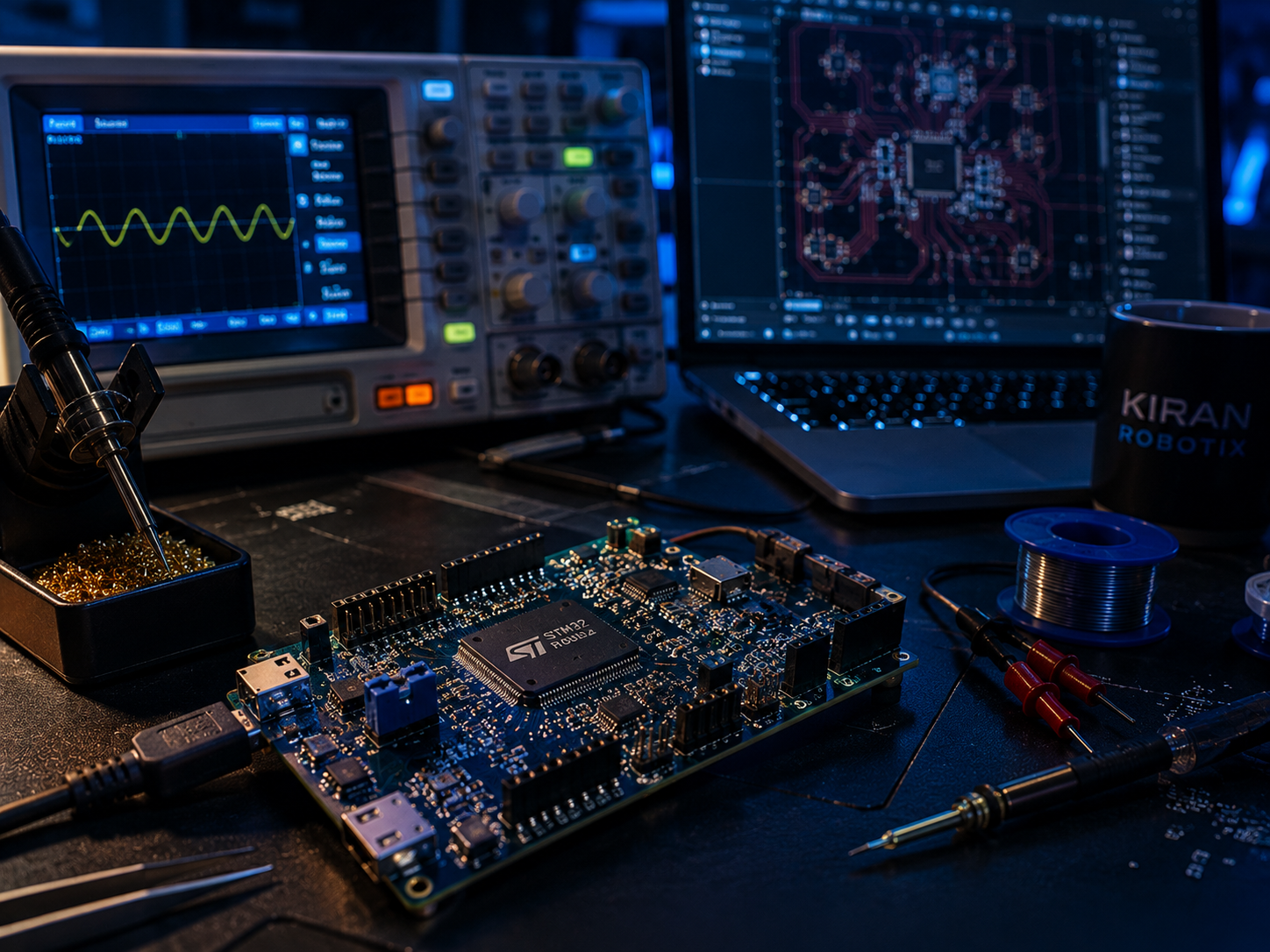
The ESP32 has become one of the most popular microcontrollers in robotics and embedded systems development due to its affordability, wireless capabilities, processing power, and extensive ecosystem.
Whether you are building autonomous robots, IoT-enabled automation systems, or wireless sensor platforms, the ESP32 provides a powerful and flexible solution for modern robotics applications.
ESP32 combines real-time embedded control with modern wireless connectivity, making it ideal for robotics innovation.
Key Features of ESP32
The ESP32 is designed for high-performance embedded applications while maintaining low power consumption.
Important hardware features include:
- Dual-core Xtensa processor
- Built-in Wi-Fi and Bluetooth
- Multiple GPIO interfaces
- ADC, DAC, PWM, SPI, I2C, UART support
- Real-time processing capability
# Example GPIO initialization

pinMode(LED_BUILTIN, OUTPUT);
Robotics Applications
ESP32 is widely used in robotics because it can easily interface with:
- Motor drivers
- Ultrasonic sensors
- IMU modules
- LiDAR systems
- Camera modules
Common robotics use cases:
- Mobile robots
- IoT robotics platforms
- Remote-controlled robots
- Wireless telemetry systems
Wireless Connectivity Advantages
One of the biggest advantages of ESP32 is integrated wireless communication support.
Built-in Wi-Fi allows robotics systems to:
- Send telemetry data
- Stream sensor information
- Enable remote monitoring
- Communicate with cloud platforms
Bluetooth support enables:
- Mobile app control
- Wireless debugging
- Device pairing
# Example Wi-Fi Initialization

WiFi.begin(ssid, password);
Efficient Power Management
Robotics systems often operate on batteries, making power efficiency extremely important.
ESP32 provides multiple low-power operating modes:
- Light Sleep
- Deep Sleep
- Modem Sleep
These features make ESP32 suitable for portable and battery-operated robotics systems.
Conclusion
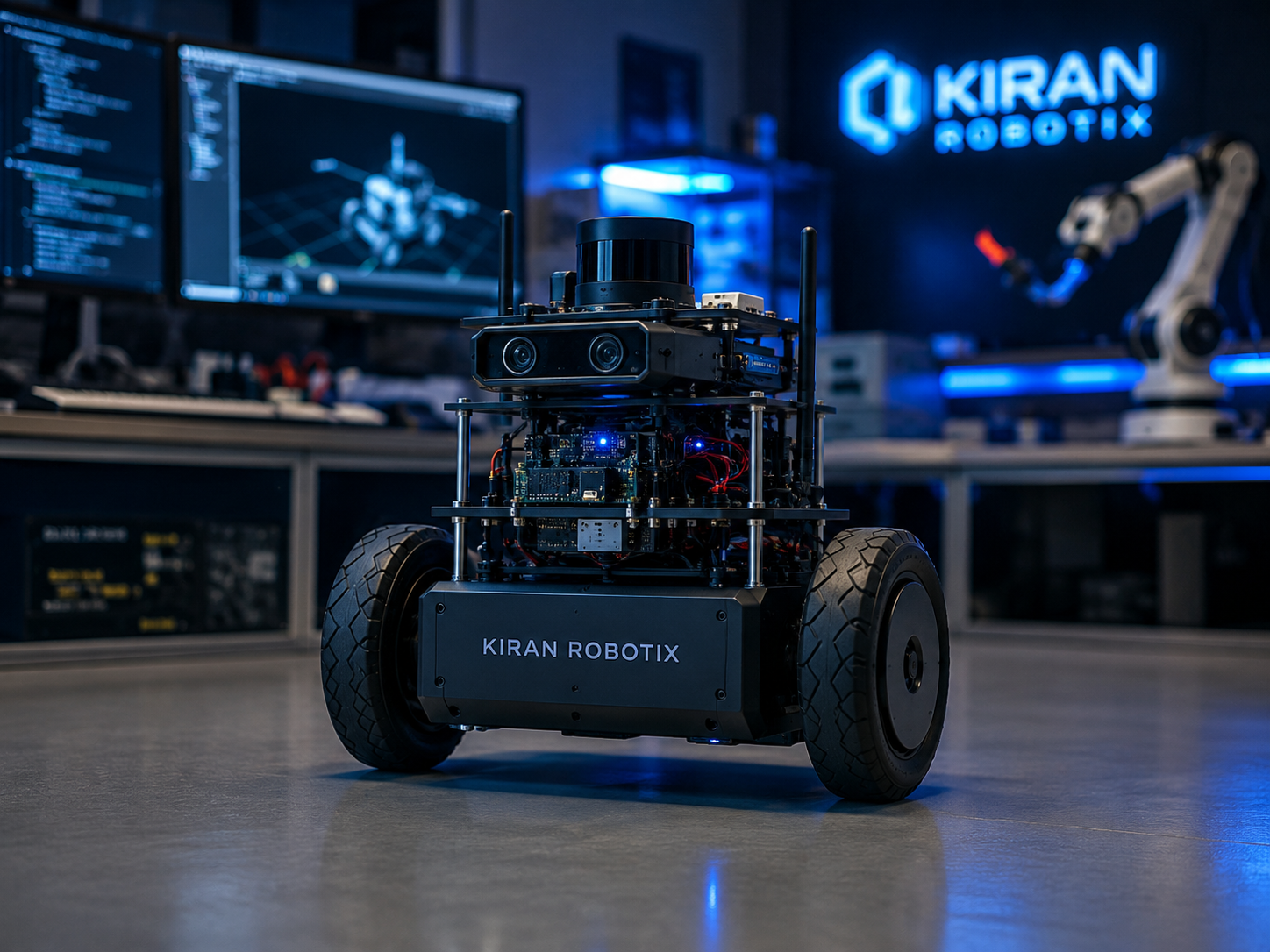
ESP32 has become a powerful platform for robotics and embedded systems because it combines processing power, wireless connectivity, and flexible peripheral support into a compact and affordable package.
From educational robotics projects to advanced industrial automation systems, ESP32 continues to play a major role in modern intelligent engineering applications.